Am I On Tilt?
Your stop rule for the rest of this session
MY TILT STOP-LOSS CARD
Game: Date:
I stop when ANY of these happen:
- I notice I'm playing faster than normal.
- I'm replaying one bad moment in my head.
- I want to win it back more than I want to play well.
Reset: stand up, 10 minutes away from the screen, water, then decide. Review later: grade decisions, not results.
madmanpoker.netlify.app/tilt-check
The four signs that show up first
1. Speed. You act faster after a loss. In poker it's snap decisions, in ranked it's instant re-queue, in chess it's premoves you'd never make calm. Speed is the earliest tell because it shows up before you feel angry.
2. Size. You take bigger risks to get it back: bigger bets, riskier duels, larger positions, the parlay you'd laugh at on a normal day.
3. The replay loop. One moment (the bad beat, the teammate who threw, the mouse slip) keeps playing in your head while the next game is already running.
4. Moving the line. "One more" after you said you were done. A stop rule you set before the session is the only one that counts.
Put it on your stream, site or team page
Coaches, streamers, clubs and Discord admins: the check is free to embed. It runs in the page, stores nothing and needs no login.
Want it themed or shortened for your community? Email jackmaniac.books@agentmail.to.
Who built this
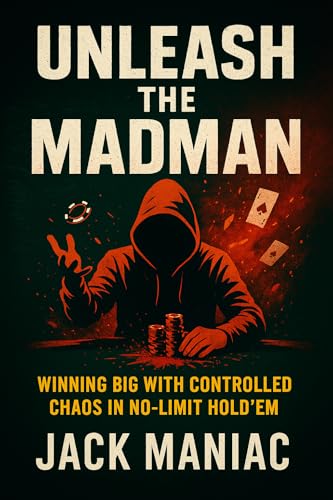
Built by Jack Maniac, author of Unleash the Madman, a 41-page No-Limit Hold'em playbook on controlled aggression, including the Tilt Trigger System for spotting and exploiting opponents who are on tilt. This free check is the other side: catching it in yourself.
See it on Amazon (Kindle Unlimited) → Free sample PDFFAQ
How do I know if I'm on tilt?
Look for behavior, not feelings: playing faster, re-queueing or reloading instantly, replaying one moment, and choosing riskier options to win it back. Two of those at once means stop.
How do you stop tilting in ranked games?
Set the stop rule before you start (for example, two losses in a row or one game that made you angry), take ten minutes away from the screen when it triggers, and review later.
Is this a medical or psychological test?
No. It's a quick self-check for competitive players, not a diagnosis. If gambling or gaming stops being fun or costs more than you can afford, free confidential help is available 24/7 in the US at 1-800-GAMBLER.
More free tools: Should I Fire? bluff calculator · Poker tilt-type quiz · The 5 poker tilt types · Printable cheat sheet